Comparing Supplier Quotes — OEM Classic Cotton Coil Pods
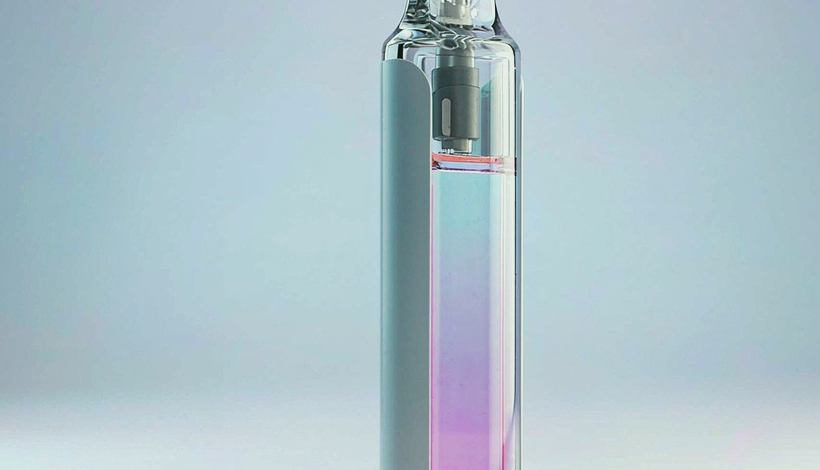
There is a lot of generic advice about Classic Cotton Coil Pods online. This page tries to be more specific: the checks that actually change outcomes, the numbers worth asking for, and the questions that separate experienced suppliers from the rest.
Risk Management for Large Shipments
Insurance on Classic Cotton Coil Pods shipments is inexpensive relative to the exposure, particularly for sea freight where transit is long and handling points are numerous. Confirm what the policy covers and what it excludes before you rely on it.
The simplest risk control for Classic Cotton Coil Pods is a documented paper trail: approved sample, written specification, inspection report and shipment photographs. When something does go wrong, that file is what turns a dispute into a claim.
Margin Maths for Retailers
Margin on Classic Cotton Coil Pods is decided at the purchase stage. Landed cost per sellable unit, not unit price, is the number that matters — and it includes freight, duty, shrinkage and the small percentage that never sells at full price.
Retailers who track Classic Cotton Coil Pods by margin per shelf metre rather than margin per unit consistently make better range decisions. The product that earns slightly less per unit but turns twice as fast is usually the better use of the space.
A useful exercise with Classic Cotton Coil Pods: calculate what a 15 percent improvement in landed cost does to annual profit, and compare that with what a 15 percent price increase does. The first is usually easier and does not risk volume.

Common Mistakes Buyers Make
The third mistake is treating the first order as the final specification. Classic Cotton Coil Pods improves once you feed back what the market did with it. Buyers who treat the first shipment as a test and the second as the real order usually end up with better margins.
Skipping the carton check is a close second. Packaging failures on Classic Cotton Coil Pods shipments rarely show up as a visible defect; they show up as scuffed retail units that will not sell at full price. Open a few cartons at random before signing off.
Quality Control Steps That Catch Problems Early
Agree the acceptable defect threshold for Classic Cotton Coil Pods in writing before production. Without a number, every inspection becomes a negotiation, and the negotiation always happens when you have the least leverage.
The most useful QC report for Classic Cotton Coil Pods is a boring one: carton count, defect rate by category, photographs of the packing method, and a clear pass or fail. Narrative reports that hedge are far less useful than a simple count you can hold someone to.
Inspection works when it happens before shipment. A pre-shipment check on Classic Cotton Coil Pods covering quantity, appearance, function and packaging typically takes a day and costs a fraction of a return. Book it early enough that a failed report still leaves time to rework.
| Specification | Typical Range | Why It Matters |
|---|---|---|
| Unit specification | 15–6 variant range | Defines what the factory must hold |
| Master carton | 7 units per carton | Drives freight cost per unit |
| Production lead time | 15–6 working days | Sets your reorder point |
| Inspection window | 7 day report turnaround | Must fit before vessel cut-off |
Packaging, Labelling and Shelf Readiness
Retail-ready packaging changes the economics of Classic Cotton Coil Pods more than most buyers expect. Barcodes, language variants and warning statements vary by destination, and fixing them after production means relabelling by hand. Confirm the artwork requirements for your market before the run starts.
Labelling rules move, and Classic Cotton Coil Pods is no exception. Build a habit of confirming the current requirement for each destination at the point of order rather than reusing last year's artwork file. The cost of a reprint is small; the cost of a detained shipment is not.
Pricing Structure and Where The Money Goes
Unit price is only part of what Classic Cotton Coil Pods costs you. Tooling, labelling, carton packing, inland haulage, port charges and payment fees all sit on top. A quotation that looks 15 percent cheaper can reverse once those lines are added, so compare landed cost, not the headline number.
Most surprises in Classic Cotton Coil Pods pricing hide in the lines nobody quotes: artwork setup, carton printing plates, extra colourways, and the difference between ex-works and delivered terms. Ask for the quotation split into product, packaging and logistics and the comparison becomes straightforward.
Price breaks on Classic Cotton Coil Pods usually step at carton, pallet and container levels rather than sliding smoothly. Knowing where those steps sit tells you whether adding another 6 units actually improves your margin or just ties up cash in the warehouse.
Storage, Handling and Shelf Life
Warehouse conditions matter more for Classic Cotton Coil Pods than most buyers assume. A few degrees of temperature difference over a summer changes how the product presents on the shelf. If you are storing through a hot season, plan for it rather than discovering it in returns.
Good stock rotation on Classic Cotton Coil Pods is simple: label by arrival date, pick oldest first, and keep a small buffer that is never touched. That buffer is what stops an unexpected demand spike from turning into an emergency air shipment.
- Track weekly sell-through to catch the seasonal turn
- Use one approved sample reference for every repeat order
- Request the full document set during production
- Keep a reorder calendar instead of reacting to stockouts
- Split very large Classic Cotton Coil Pods orders across production slots
Every Classic Cotton Coil Pods order starts the same way here — a short conversation about volume, market and timing. If the fit is right we will quote; if it is not, we will say so and point you somewhere better.
Frequently asked questions
How do you price Classic Cotton Coil Pods compared with a trading company?
We quote from the production side, so product, packaging and logistics are listed separately rather than folded into one number. That makes comparison easier and usually shows where a competing quote has hidden its margin.
Are there compliance requirements I should know about for Classic Cotton Coil Pods?
Requirements vary by destination and they change. We confirm the current position for your market at the point of order and supply the documentation that supports it, but the importer of record remains responsible for local compliance.
How is Classic Cotton Coil Pods packed for export?
Packing depends on the product and route, but the principle is the same: inner protection, a rigid master carton and a pallet pattern that survives handling. We can send photographs of the packing method before dispatch.
What documentation comes with a Classic Cotton Coil Pods shipment?
A standard shipment includes commercial invoice, packing list and certificate of origin, with product-specific declarations where the destination requires them. We prepare the set during production so it is ready before the goods arrive.
How long does a Classic Cotton Coil Pods order take to arrive?
Production for Classic Cotton Coil Pods commonly runs two to four weeks depending on specification and packaging, with transit added on top. Sea freight adds several weeks, air considerably less. We quote a realistic window rather than a best case.
Related reading
Talk to us about classic cotton coil pods bulk
Send us your target quantity, destination and timing. We answer with real options and a landed cost you can compare — normally within one working day.