Classic Cotton Coil Pods Trade: Range Mix for Retail Chains
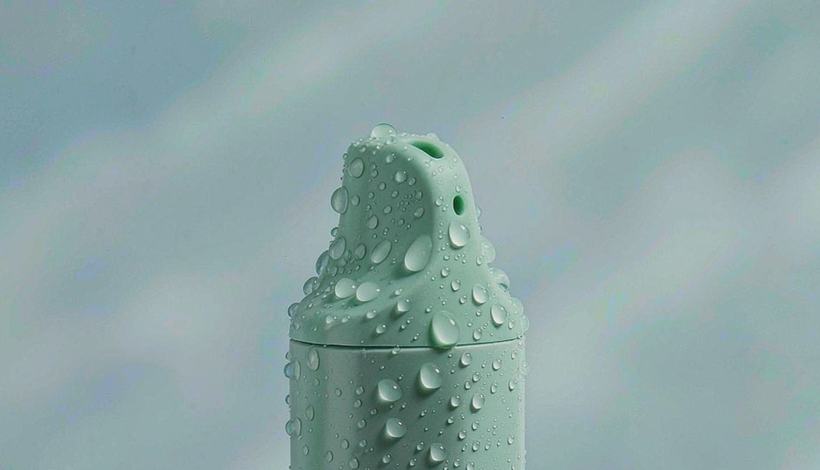
If you are looking at Classic Cotton Coil Pods for the first time, the number of options can be disorienting. This page sets out the practical detail — what to specify, what it costs to land, and where orders usually go wrong — so you can move from enquiry to shipment without guessing.
Storage, Handling and Shelf Life
Classic Cotton Coil Pods degrades in predictable ways: heat, light and time. Store in a cool, dry place away from direct sunlight and rotate stock by production date. Those two habits prevent most of the quality complaints that get blamed on the factory.
Good stock rotation on Classic Cotton Coil Pods is simple: label by arrival date, pick oldest first, and keep a small buffer that is never touched. That buffer is what stops an unexpected demand spike from turning into an emergency air shipment.
Specifications Worth Checking Before You Order
Three specification lines cause most disputes on Classic Cotton Coil Pods orders: capacity tolerance, material grade and finish consistency. Ask for measured values rather than nominal ones, and request photographs of the actual production batch instead of a catalogue render. It takes an extra day and removes most of the risk.
Write the specification for Classic Cotton Coil Pods the way a warehouse would check it: what can be counted, weighed or measured in five minutes. That phrasing survives the jump from sales team to production line far better than adjectives do.
A good specification for Classic Cotton Coil Pods is measurable. Capacity, resistance, material thickness and finish should all have a stated tolerance, not a marketing range. When tolerances are missing, quality arguments later become opinion against opinion, and that is a conversation you will not win from another continent.

Risk Management for Large Shipments
The simplest risk control for Classic Cotton Coil Pods is a documented paper trail: approved sample, written specification, inspection report and shipment photographs. When something does go wrong, that file is what turns a dispute into a claim.
Insurance on Classic Cotton Coil Pods shipments is inexpensive relative to the exposure, particularly for sea freight where transit is long and handling points are numerous. Confirm what the policy covers and what it excludes before you rely on it.
Sustainability and Packaging Waste
If your market expects recyclable materials for Classic Cotton Coil Pods, ask what the factory can actually supply rather than assuming. The gap between what is available and what is requested is usually narrower than buyers expect.
Packaging waste is becoming a purchasing question rather than a marketing one. Right-sizing cartons for Classic Cotton Coil Pods reduces both material cost and freight cost, which makes it one of the few changes that helps margin and footprint at once.
Small packaging decisions on Classic Cotton Coil Pods compound: a carton that is 15 percent smaller often means more units per pallet, which means fewer pallets, which means lower freight per unit.
| Order Stage | Working Days | What Happens |
|---|---|---|
| Specification sign-off | 10 working days | Confirms tolerances and materials |
| Sampling | 15–9 working days | Production units, not showroom pieces |
| Production | 9 working days | Scheduled against your slot |
| Inspection and packing | 10 working days | Photographs included in the report |
Customs, Duties and Compliance Paperwork
Compliance for Classic Cotton Coil Pods is destination-specific and it changes. Rather than memorising rules, build a short checklist per market and refresh it at each order. It takes twenty minutes and prevents the expensive kind of surprise.
Classification is the decision that shapes everything else on a Classic Cotton Coil Pods shipment. Duty rate, licence requirements and inspection probability all follow from the code used. If you are unsure, get a written classification opinion before the vessel sails, not after the goods are held.
How to Compare Suppliers Without Wasting Weeks
Compare Classic Cotton Coil Pods suppliers on response quality before price. A supplier who answers specification questions precisely, admits what they cannot do, and sends real photographs is usually cheaper to work with than one who simply quotes low.
Time-box the comparison. Two weeks of structured enquiries on Classic Cotton Coil Pods beats two months of open-ended ones, because the market moves and your shelf does not wait. Set a decision date at the start and hold to it.
Ask every Classic Cotton Coil Pods supplier the same five questions and score the answers. Which of them mentions a constraint you had not considered is often the most informative result — it tells you who has actually produced this before.
OEM and Private Label Possibilities
OEM work on Classic Cotton Coil Pods is most cost-effective when you change what the factory can already do. A different colour, a printed logo or a reworked carton costs far less than a new mould, and it gets you a recognisable product much faster.
If you are considering a private label version of Classic Cotton Coil Pods, ask what the factory needs from you: artwork format, colour reference, quantity per variant and lead time for the first run. Clear inputs at the start quietly remove weeks from the schedule.
- Request the full document set during production
- Confirm labelling rules for the destination at order time
- Agree the specification in writing before sampling Classic Cotton Coil Pods
- Treat the first shipment as a test and the second as the real order
- Book inspection while there is still time to rework
Questions about Classic Cotton Coil Pods are usually quicker to answer in a message than in a spec sheet. Send over what you need — quantity, market, timing — and we will tell you honestly whether we are the right fit for it.
Frequently asked questions
What happens if a Classic Cotton Coil Pods shipment arrives damaged?
Report it within the agreed window with photographs and carton references and we will work through a credit or replacement. This is much faster when an inspection report exists, which is why we recommend one for larger orders.
How do I know the Classic Cotton Coil Pods I reorder will match the last batch?
We keep the approved specification and sample reference on file for every order and check against it at inspection. If a component changes, you hear about it before production rather than at delivery.
Are there compliance requirements I should know about for Classic Cotton Coil Pods?
Requirements vary by destination and they change. We confirm the current position for your market at the point of order and supply the documentation that supports it, but the importer of record remains responsible for local compliance.
How is Classic Cotton Coil Pods packed for export?
Packing depends on the product and route, but the principle is the same: inner protection, a rigid master carton and a pallet pattern that survives handling. We can send photographs of the packing method before dispatch.
Can you handle repeat or scheduled Classic Cotton Coil Pods orders?
Yes, and it suits both sides. A scheduled cycle lets us reserve production capacity, which shortens lead times and makes pricing more stable than ad-hoc ordering.
Related reading
Talk to us about classic cotton coil pods bulk
Send us your target quantity, destination and timing. We answer with real options and a landed cost you can compare — normally within one working day.