Storage and Shelf Life — Classic Cotton Coil Pods Sourcing
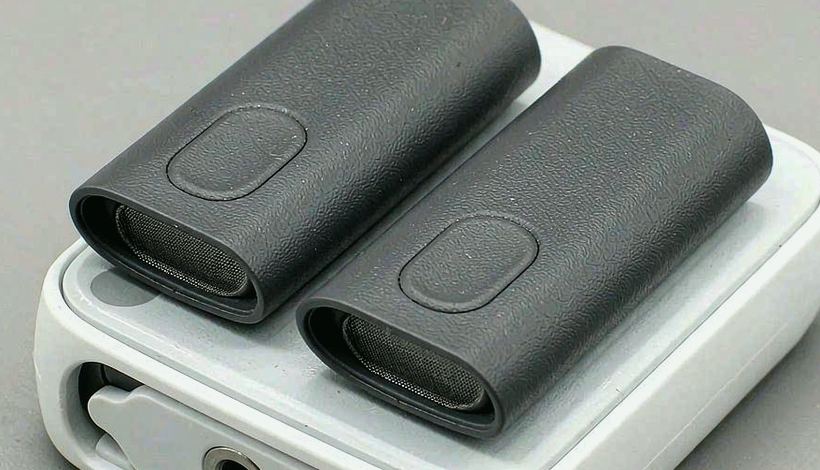
If you are looking at Classic Cotton Coil Pods for the first time, the number of options can be disorienting. This page sets out the practical detail — what to specify, what it costs to land, and where orders usually go wrong — so you can move from enquiry to shipment without guessing.
Storage, Handling and Shelf Life
Classic Cotton Coil Pods degrades in predictable ways: heat, light and time. Store in a cool, dry place away from direct sunlight and rotate stock by production date. Those two habits prevent most of the quality complaints that get blamed on the factory.
Warehouse conditions matter more for Classic Cotton Coil Pods than most buyers assume. A few degrees of temperature difference over a summer changes how the product presents on the shelf. If you are storing through a hot season, plan for it rather than discovering it in returns.
Trends Shaping Classic Cotton Coil Pods This Year
2026 has been a year of consolidation for Classic Cotton Coil Pods. Buyers are trimming ranges and concentrating volume with suppliers who deliver consistently, which favours preparation over improvisation.
Three things are shaping Classic Cotton Coil Pods in 2026: tighter compliance expectations, shorter product cycles, and buyers who want smaller, more frequent shipments. None of these are dramatic, but together they change what a good supplier looks like.
The direction of travel for Classic Cotton Coil Pods is towards fewer, better-documented products rather than an ever-wider catalogue. Suppliers who can provide consistent documentation are winning orders that used to go purely on price.
Seasonal Demand and Reorder Timing
Demand for Classic Cotton Coil Pods is seasonal in most markets, and the season shifts by a few weeks each year. Track your own sell-through by week rather than by month — weekly data shows the turn early enough to reorder comfortably.
Most stockouts on Classic Cotton Coil Pods are planning failures rather than supply failures. The goods were available; the order simply went in three weeks late. A written reorder calendar removes most of that risk for very little effort.
Building A Repeatable Replenishment Cycle
A repeatable cycle for Classic Cotton Coil Pods has three inputs: weekly sell-through, lead time and buffer. Once those are written down, reordering becomes a routine task instead of a decision, and routine tasks are the ones that actually happen.
Scheduled replenishment for Classic Cotton Coil Pods gives you leverage you do not get with ad-hoc orders. A supplier who can see your next four shipments will prioritise your production slot, and that priority is worth more than a small discount.
Most importers of Classic Cotton Coil Pods who move to a fixed monthly cycle report the same benefit: fewer emergencies. The total volume ordered barely changes, but the number of urgent shipments drops sharply.
| Order Stage | Working Days | What Happens |
|---|---|---|
| Specification sign-off | 14 working days | Confirms tolerances and materials |
| Sampling | 15–4 working days | Production units, not showroom pieces |
| Production | 4 working days | Scheduled against your slot |
| Inspection and packing | 14 working days | Photographs included in the report |
Quality Control Steps That Catch Problems Early
Inspection works when it happens before shipment. A pre-shipment check on Classic Cotton Coil Pods covering quantity, appearance, function and packaging typically takes a day and costs a fraction of a return. Book it early enough that a failed report still leaves time to rework.
Agree the acceptable defect threshold for Classic Cotton Coil Pods in writing before production. Without a number, every inspection becomes a negotiation, and the negotiation always happens when you have the least leverage.
Margin Maths for Retailers
A useful exercise with Classic Cotton Coil Pods: calculate what a 15 percent improvement in landed cost does to annual profit, and compare that with what a 15 percent price increase does. The first is usually easier and does not risk volume.
Margin on Classic Cotton Coil Pods is decided at the purchase stage. Landed cost per sellable unit, not unit price, is the number that matters — and it includes freight, duty, shrinkage and the small percentage that never sells at full price.
Retailers who track Classic Cotton Coil Pods by margin per shelf metre rather than margin per unit consistently make better range decisions. The product that earns slightly less per unit but turns twice as fast is usually the better use of the space.
Retail Merchandising Ideas That Move Stock
Group Classic Cotton Coil Pods by use case rather than by supplier. Shoppers buy to solve a need, and a display organised around need consistently outperforms one organised around the way the catalogue is printed.
Rotate the Classic Cotton Coil Pods facing every few weeks. Even without changing the range, moving the position refreshes attention and surfaces stock that has settled into a blind spot near the counter.
- Request the full document set during production
- Plan cartons around real handling, not catalogue photos
- Treat the first shipment as a test and the second as the real order
- Ask which components are stocked as spares
- Compare landed cost, not headline unit price
Questions about Classic Cotton Coil Pods are usually quicker to answer in a message than in a spec sheet. Send over what you need — quantity, market, timing — and we will tell you honestly whether we are the right fit for it.
Frequently asked questions
How is Classic Cotton Coil Pods packed for export?
Packing depends on the product and route, but the principle is the same: inner protection, a rigid master carton and a pallet pattern that survives handling. We can send photographs of the packing method before dispatch.
What payment terms are available for Classic Cotton Coil Pods?
Standard terms are a deposit with the balance before shipment, with alternatives available for established accounts on scheduled programmes. We will outline what is possible once we understand the size and frequency of your orders.
Can Classic Cotton Coil Pods be shipped directly to my retail locations?
Direct-to-store is possible in many markets, though consolidation at a single warehouse is usually cheaper and easier to reconcile. We can quote both so you can compare.
Can I get Classic Cotton Coil Pods with my own branding?
Yes — private label is available on most Classic Cotton Coil Pods lines. The usual options are printed logos, custom colourways and bespoke outer packaging. Each carries a different setup cost and minimum, which we list separately in the quotation.
What documentation comes with a Classic Cotton Coil Pods shipment?
A standard shipment includes commercial invoice, packing list and certificate of origin, with product-specific declarations where the destination requires them. We prepare the set during production so it is ready before the goods arrive.
Related reading
Talk to us about classic cotton coil pods bulk
Send us your target quantity, destination and timing. We answer with real options and a landed cost you can compare — normally within one working day.