Reading a Quotation — Bulk-Packed Classic Cotton Coil Pods
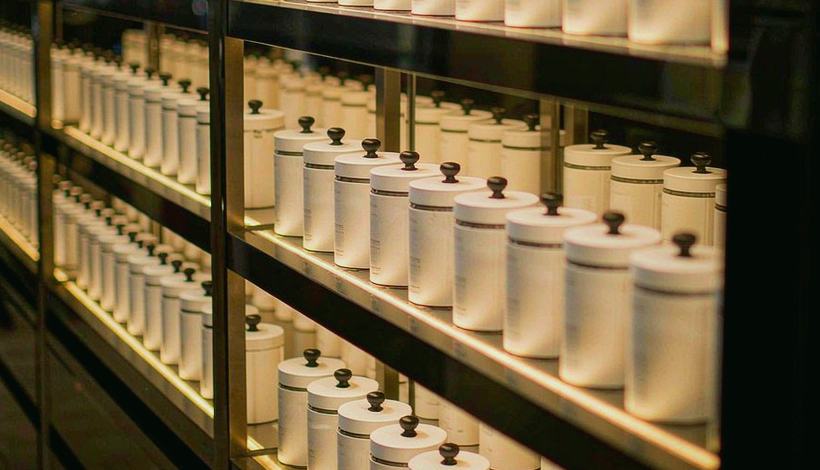
This guide to Classic Cotton Coil Pods is written for retail chains who need repeatable supply rather than a one-off purchase. It focuses on the decisions that change your landed cost and your shelf availability, and skips the parts that do not.
Working with Agents Versus Direct Factories
The honest test: ask whether the agent can tell you something about Classic Cotton Coil Pods production that you could not learn from the factory's own quotation. If not, you are paying for an introduction.
Going direct on Classic Cotton Coil Pods works well once your specification is stable and your volume is predictable. Before that point, an agent's ability to chase a production slot is often worth the margin.
Negotiation Levers That Actually Work
Decide before you negotiate what you actually want from Classic Cotton Coil Pods — a lower unit price, better payment terms, or priority production. Chasing all three at once usually means getting none of them.
Volume commitments, predictable scheduling and fast payment are the three levers that genuinely move Classic Cotton Coil Pods pricing. Asking for a discount without offering any of them rarely gets you further than the published price list.
The most reliable negotiation on Classic Cotton Coil Pods is a calendar, not a threat. Show a supplier twelve months of predictable orders and you will get a better response than from any single large enquiry.

Retail Merchandising Ideas That Move Stock
Merchandising Classic Cotton Coil Pods well is mostly about legibility. A shopper should be able to identify the product type and the variant from a metre away. If they have to pick things up to compare, you have already lost part of the sale.
Group Classic Cotton Coil Pods by use case rather than by supplier. Shoppers buy to solve a need, and a display organised around need consistently outperforms one organised around the way the catalogue is printed.
What Classic Cotton Coil Pods Actually Covers
Scope is the first thing to pin down with Classic Cotton Coil Pods. Hardware, consumables and packaging are often bundled differently depending on the factory, so a low unit price can quietly hide a higher landed cost. A one-page specification agreed before sampling removes most of that ambiguity.
Before comparing prices, it helps to agree on what counts as Classic Cotton Coil Pods. In day-to-day trade the term covers a fairly wide band of products, and two suppliers can quote very different things under the same label. Ask for a specification sheet that lists materials, dimensions and what is included in each unit, then compare that against what actually arrives in the carton.
The phrase Classic Cotton Coil Pods gets used loosely in export enquiries, which is why quotations sometimes look impossible to compare. One factory may price a bare unit while another includes retail packaging, labelling and a master carton. Getting the scope written down first saves a round of emails and, more importantly, stops you from discovering the difference after the goods land.
| Specification | Typical Range | Why It Matters |
|---|---|---|
| Unit specification | 15–12 variant range | Defines what the factory must hold |
| Master carton | 21 units per carton | Drives freight cost per unit |
| Production lead time | 15–12 working days | Sets your reorder point |
| Inspection window | 21 day report turnaround | Must fit before vessel cut-off |
Risk Management for Large Shipments
Insurance on Classic Cotton Coil Pods shipments is inexpensive relative to the exposure, particularly for sea freight where transit is long and handling points are numerous. Confirm what the policy covers and what it excludes before you rely on it.
Concentrate risk deliberately. Splitting a very large Classic Cotton Coil Pods order across two production slots costs a little more but protects you against a single bad batch wiping out a season's margin.
OEM and Private Label Possibilities
OEM work on Classic Cotton Coil Pods is most cost-effective when you change what the factory can already do. A different colour, a printed logo or a reworked carton costs far less than a new mould, and it gets you a recognisable product much faster.
Private label on Classic Cotton Coil Pods usually starts with artwork and ends with tooling. In between sit choices about colourways, packaging structure and minimum runs per variant. Understanding which of those carry a setup cost tells you how far you can differentiate without inflating the first order.
If you are considering a private label version of Classic Cotton Coil Pods, ask what the factory needs from you: artwork format, colour reference, quantity per variant and lead time for the first run. Clear inputs at the start quietly remove weeks from the schedule.
Building A Repeatable Replenishment Cycle
A repeatable cycle for Classic Cotton Coil Pods has three inputs: weekly sell-through, lead time and buffer. Once those are written down, reordering becomes a routine task instead of a decision, and routine tasks are the ones that actually happen.
Scheduled replenishment for Classic Cotton Coil Pods gives you leverage you do not get with ad-hoc orders. A supplier who can see your next four shipments will prioritise your production slot, and that priority is worth more than a small discount.
- Track weekly sell-through to catch the seasonal turn
- Book inspection while there is still time to rework
- Treat the first shipment as a test and the second as the real order
- Compare landed cost, not headline unit price
- Keep a reorder calendar instead of reacting to stockouts
Questions about Classic Cotton Coil Pods are usually quicker to answer in a message than in a spec sheet. Send over what you need — quantity, market, timing — and we will tell you honestly whether we are the right fit for it.
Frequently asked questions
What documentation comes with a Classic Cotton Coil Pods shipment?
A standard shipment includes commercial invoice, packing list and certificate of origin, with product-specific declarations where the destination requires them. We prepare the set during production so it is ready before the goods arrive.
How long does a Classic Cotton Coil Pods order take to arrive?
Production for Classic Cotton Coil Pods commonly runs two to four weeks depending on specification and packaging, with transit added on top. Sea freight adds several weeks, air considerably less. We quote a realistic window rather than a best case.
How is Classic Cotton Coil Pods packed for export?
Packing depends on the product and route, but the principle is the same: inner protection, a rigid master carton and a pallet pattern that survives handling. We can send photographs of the packing method before dispatch.
Can you handle repeat or scheduled Classic Cotton Coil Pods orders?
Yes, and it suits both sides. A scheduled cycle lets us reserve production capacity, which shortens lead times and makes pricing more stable than ad-hoc ordering.
Do you ship Classic Cotton Coil Pods worldwide?
We ship to most markets by sea, air and express. Where a destination has specific restrictions we will flag them before you order rather than after the goods are in transit.
Related reading
Talk to us about classic cotton coil pods bulk
Send us your target quantity, destination and timing. We answer with real options and a landed cost you can compare — normally within one working day.