Range Mix for Wholesalers — Classic Cotton Coil Pods Wholesale

Working through Classic Cotton Coil Pods properly means answering a handful of unglamorous questions early. Do that and the rest of the order tends to run quietly. The sections below cover those questions in the order they matter.
After-Sales, Warranty and Spare Parts
Set the claim window for Classic Cotton Coil Pods in writing — how many days after arrival you can report an issue and what evidence is needed. Clear terms on both sides make the rare dispute quick to resolve.
Clarify what happens after Classic Cotton Coil Pods arrives. A written agreement on how defects are credited, how quickly claims are settled, and who pays for return freight is worth more than a friendly promise made during negotiation.
Sample Orders and Evaluation Checklist
A short evaluation checklist for Classic Cotton Coil Pods keeps decisions comparable: specification match, finish quality, packaging integrity, documentation completeness and how the supplier handled the request. Score each one and the choice usually becomes obvious.
Evaluate Classic Cotton Coil Pods samples the way your customer will use them, not the way they look on a desk. Check the packaging after a short transit, check the finish under retail lighting, and check consistency across several units rather than one.
Order 4 samples of Classic Cotton Coil Pods rather than one. Single units are hand-picked; a small batch shows you what the production line actually produces, and that is what you are about to buy in volume.
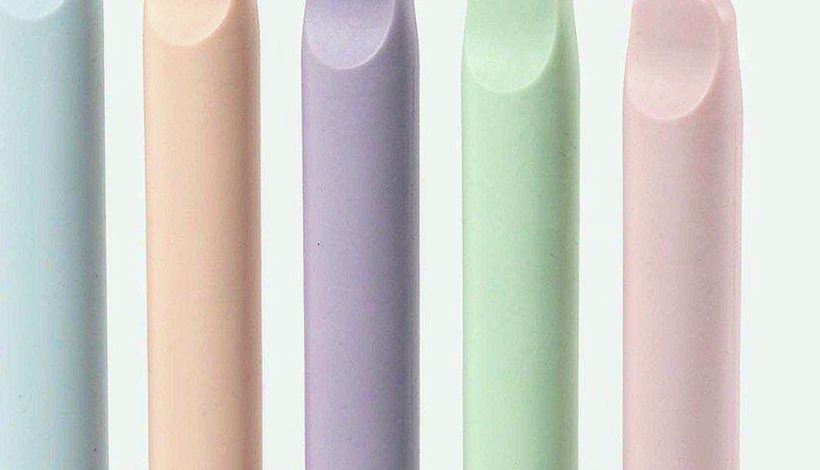
Packaging, Labelling and Shelf Readiness
Retail-ready packaging changes the economics of Classic Cotton Coil Pods more than most buyers expect. Barcodes, language variants and warning statements vary by destination, and fixing them after production means relabelling by hand. Confirm the artwork requirements for your market before the run starts.
Shelf presentation is where Classic Cotton Coil Pods either sells or sits. Carton dimensions, facing count and how quickly a shopper can read the flavour all affect turnover. If the packaging only works in a warehouse, you have pushed that cost onto the retailer.
Storage, Handling and Shelf Life
Warehouse conditions matter more for Classic Cotton Coil Pods than most buyers assume. A few degrees of temperature difference over a summer changes how the product presents on the shelf. If you are storing through a hot season, plan for it rather than discovering it in returns.
Classic Cotton Coil Pods degrades in predictable ways: heat, light and time. Store in a cool, dry place away from direct sunlight and rotate stock by production date. Those two habits prevent most of the quality complaints that get blamed on the factory.
Good stock rotation on Classic Cotton Coil Pods is simple: label by arrival date, pick oldest first, and keep a small buffer that is never touched. That buffer is what stops an unexpected demand spike from turning into an emergency air shipment.
| Check Point | Method | Acceptance Criteria |
|---|---|---|
| Carton count | Physical count | Must match the packing list exactly |
| Appearance | Random sampling | Defect rate below the agreed threshold |
| Function check | Sampled units | Consistent with the approved sample |
| Packaging integrity | Drop and seal check | No deformation at arrival |
Retail Merchandising Ideas That Move Stock
Merchandising Classic Cotton Coil Pods well is mostly about legibility. A shopper should be able to identify the product type and the variant from a metre away. If they have to pick things up to compare, you have already lost part of the sale.
Group Classic Cotton Coil Pods by use case rather than by supplier. Shoppers buy to solve a need, and a display organised around need consistently outperforms one organised around the way the catalogue is printed.
Seasonal Demand and Reorder Timing
Most stockouts on Classic Cotton Coil Pods are planning failures rather than supply failures. The goods were available; the order simply went in three weeks late. A written reorder calendar removes most of that risk for very little effort.
Reorder timing for Classic Cotton Coil Pods should be calculated backwards from the shelf, not forwards from the factory. Start with the week you need stock, subtract the realistic transit window, add a buffer for inspection, and you have your order date.
Demand for Classic Cotton Coil Pods is seasonal in most markets, and the season shifts by a few weeks each year. Track your own sell-through by week rather than by month — weekly data shows the turn early enough to reorder comfortably.
OEM and Private Label Possibilities
If you are considering a private label version of Classic Cotton Coil Pods, ask what the factory needs from you: artwork format, colour reference, quantity per variant and lead time for the first run. Clear inputs at the start quietly remove weeks from the schedule.
OEM work on Classic Cotton Coil Pods is most cost-effective when you change what the factory can already do. A different colour, a printed logo or a reworked carton costs far less than a new mould, and it gets you a recognisable product much faster.
- Split very large Classic Cotton Coil Pods orders across production slots
- Track weekly sell-through to catch the seasonal turn
- Treat the first shipment as a test and the second as the real order
- Request the full document set during production
- Agree the specification in writing before sampling Classic Cotton Coil Pods
Whether you need a single carton to test or a container to fill a season, the process for Classic Cotton Coil Pods is the same. Reach out with your requirements and we will respond with specifics rather than a brochure.
Frequently asked questions
What documentation comes with a Classic Cotton Coil Pods shipment?
A standard shipment includes commercial invoice, packing list and certificate of origin, with product-specific declarations where the destination requires them. We prepare the set during production so it is ready before the goods arrive.
What happens if a Classic Cotton Coil Pods shipment arrives damaged?
Report it within the agreed window with photographs and carton references and we will work through a credit or replacement. This is much faster when an inspection report exists, which is why we recommend one for larger orders.
How long does a Classic Cotton Coil Pods order take to arrive?
Production for Classic Cotton Coil Pods commonly runs two to four weeks depending on specification and packaging, with transit added on top. Sea freight adds several weeks, air considerably less. We quote a realistic window rather than a best case.
How do you price Classic Cotton Coil Pods compared with a trading company?
We quote from the production side, so product, packaging and logistics are listed separately rather than folded into one number. That makes comparison easier and usually shows where a competing quote has hidden its margin.
Can I get Classic Cotton Coil Pods with my own branding?
Yes — private label is available on most Classic Cotton Coil Pods lines. The usual options are printed logos, custom colourways and bespoke outer packaging. Each carries a different setup cost and minimum, which we list separately in the quotation.
Related reading
Talk to us about classic cotton coil pods bulk
Send us your target quantity, destination and timing. We answer with real options and a landed cost you can compare — normally within one working day.