Range Mix for Importers — Classic Cotton Coil Pods Procurement
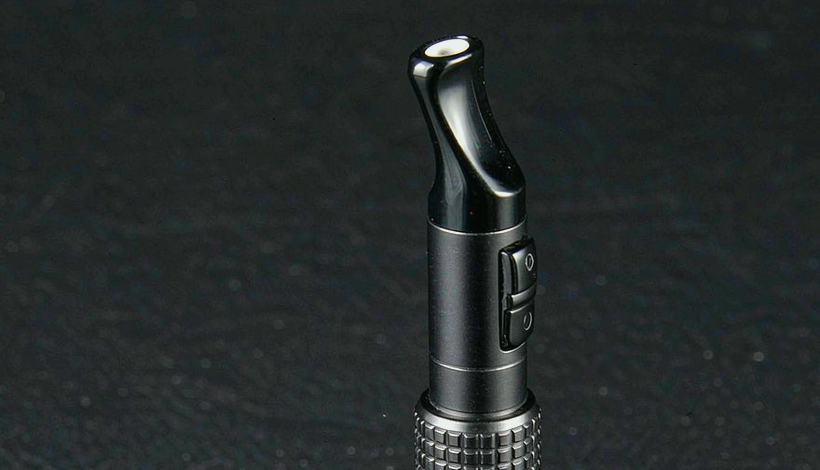
Whether you are replenishing an existing line or evaluating Classic Cotton Coil Pods for the first time, the same fundamentals apply: know the specification, know the landed cost, and know who is accountable if something is wrong.
Quality Control Steps That Catch Problems Early
Inspection works when it happens before shipment. A pre-shipment check on Classic Cotton Coil Pods covering quantity, appearance, function and packaging typically takes a day and costs a fraction of a return. Book it early enough that a failed report still leaves time to rework.
Agree the acceptable defect threshold for Classic Cotton Coil Pods in writing before production. Without a number, every inspection becomes a negotiation, and the negotiation always happens when you have the least leverage.
What Classic Cotton Coil Pods Actually Covers
Scope is the first thing to pin down with Classic Cotton Coil Pods. Hardware, consumables and packaging are often bundled differently depending on the factory, so a low unit price can quietly hide a higher landed cost. A one-page specification agreed before sampling removes most of that ambiguity.
Before comparing prices, it helps to agree on what counts as Classic Cotton Coil Pods. In day-to-day trade the term covers a fairly wide band of products, and two suppliers can quote very different things under the same label. Ask for a specification sheet that lists materials, dimensions and what is included in each unit, then compare that against what actually arrives in the carton.
The phrase Classic Cotton Coil Pods gets used loosely in export enquiries, which is why quotations sometimes look impossible to compare. One factory may price a bare unit while another includes retail packaging, labelling and a master carton. Getting the scope written down first saves a round of emails and, more importantly, stops you from discovering the difference after the goods land.
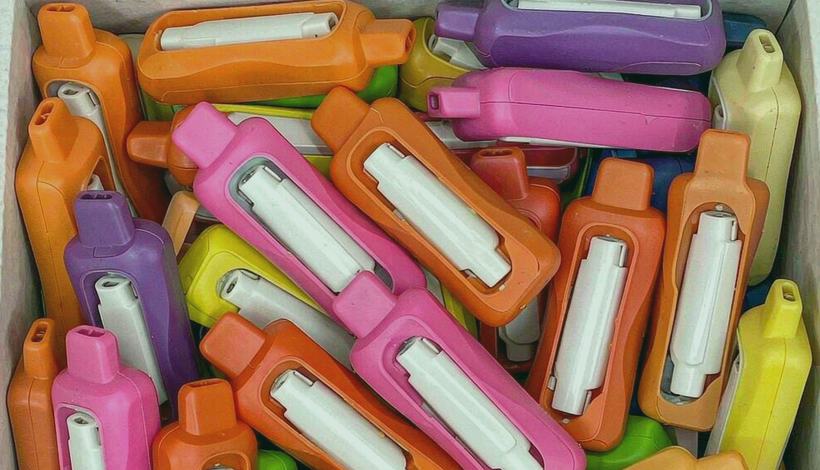
Shipping Routes, Transit Time and Freight Options
Transit time for Classic Cotton Coil Pods depends far more on the route and the season than on the distance. Peak periods add days at both ends, and consolidations add handling. Build the realistic window into your reorder point rather than the best case the forwarder quotes.
Freight quotes for Classic Cotton Coil Pods move with fuel surcharges, currency and space availability. Ask whether the rate is fixed for a period or spot-quoted per shipment, because that single detail determines how predictable your landed cost will be over a year.
Specifications Worth Checking Before You Order
Three specification lines cause most disputes on Classic Cotton Coil Pods orders: capacity tolerance, material grade and finish consistency. Ask for measured values rather than nominal ones, and request photographs of the actual production batch instead of a catalogue render. It takes an extra day and removes most of the risk.
A good specification for Classic Cotton Coil Pods is measurable. Capacity, resistance, material thickness and finish should all have a stated tolerance, not a marketing range. When tolerances are missing, quality arguments later become opinion against opinion, and that is a conversation you will not win from another continent.
Write the specification for Classic Cotton Coil Pods the way a warehouse would check it: what can be counted, weighed or measured in five minutes. That phrasing survives the jump from sales team to production line far better than adjectives do.
| Cost Component | Share of Landed Cost | Notes |
|---|---|---|
| Product cost | 20% of landed cost | Moves with volume and specification |
| Packaging | 30% of landed cost | Higher for retail-ready formats |
| Freight and handling | 2% of landed cost | Route and season dependent |
| Duty and clearance | Destination specific | Follows from classification |
Storage, Handling and Shelf Life
Classic Cotton Coil Pods degrades in predictable ways: heat, light and time. Store in a cool, dry place away from direct sunlight and rotate stock by production date. Those two habits prevent most of the quality complaints that get blamed on the factory.
Good stock rotation on Classic Cotton Coil Pods is simple: label by arrival date, pick oldest first, and keep a small buffer that is never touched. That buffer is what stops an unexpected demand spike from turning into an emergency air shipment.
Margin Maths for Retailers
Retailers who track Classic Cotton Coil Pods by margin per shelf metre rather than margin per unit consistently make better range decisions. The product that earns slightly less per unit but turns twice as fast is usually the better use of the space.
Margin on Classic Cotton Coil Pods is decided at the purchase stage. Landed cost per sellable unit, not unit price, is the number that matters — and it includes freight, duty, shrinkage and the small percentage that never sells at full price.
A useful exercise with Classic Cotton Coil Pods: calculate what a 20 percent improvement in landed cost does to annual profit, and compare that with what a 20 percent price increase does. The first is usually easier and does not risk volume.
Who Buys Classic Cotton Coil Pods and Why
importers tend to reorder Classic Cotton Coil Pods on a rhythm rather than in one large batch. That rhythm is driven by shelf turnover, seasonal footfall and how quickly a flavour or format goes stale in the local market. Understanding who your end buyer is makes the reorder maths much easier.
Demand for Classic Cotton Coil Pods rarely comes from a single customer type. Some importers want steady replacement stock, others want something seasonal they can merchandise for six weeks. Those two buying patterns need different carton sizes and different delivery windows, so it is worth separating them when you plan.
- Keep a reorder calendar instead of reacting to stockouts
- Compare landed cost, not headline unit price
- Split very large Classic Cotton Coil Pods orders across production slots
- Track weekly sell-through to catch the seasonal turn
- Agree the specification in writing before sampling Classic Cotton Coil Pods
We keep the ordering process for Classic Cotton Coil Pods deliberately simple: agree the specification, approve a sample, confirm the carton plan, then ship. If that sounds like the way you prefer to work, get in touch with your requirements.
Frequently asked questions
Do you provide samples of Classic Cotton Coil Pods before a bulk order?
Samples are available and we recommend them. A small batch rather than a single unit gives a truer picture of production consistency, and the sample cost is normally credited against a confirmed order.
What is the usual minimum order for Classic Cotton Coil Pods?
Most Classic Cotton Coil Pods production runs start at a carton-level minimum rather than a single unit. The exact figure depends on how many variants you need and whether the packaging is standard or custom printed, so it is worth asking with your actual mix in mind.
How do I know the Classic Cotton Coil Pods I reorder will match the last batch?
We keep the approved specification and sample reference on file for every order and check against it at inspection. If a component changes, you hear about it before production rather than at delivery.
What documentation comes with a Classic Cotton Coil Pods shipment?
A standard shipment includes commercial invoice, packing list and certificate of origin, with product-specific declarations where the destination requires them. We prepare the set during production so it is ready before the goods arrive.
How long does a Classic Cotton Coil Pods order take to arrive?
Production for Classic Cotton Coil Pods commonly runs two to four weeks depending on specification and packaging, with transit added on top. Sea freight adds several weeks, air considerably less. We quote a realistic window rather than a best case.
Related reading
Talk to us about classic cotton coil pods bulk
Send us your target quantity, destination and timing. We answer with real options and a landed cost you can compare — normally within one working day.