OEM Classic Cotton Coil Pods: Risk Control for Retail Chains
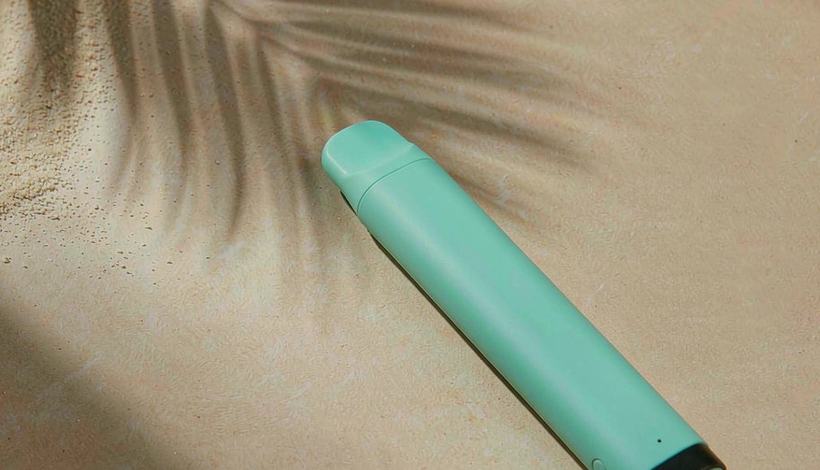
There is a lot of generic advice about Classic Cotton Coil Pods online. This page tries to be more specific: the checks that actually change outcomes, the numbers worth asking for, and the questions that separate experienced suppliers from the rest.
Pricing Structure and Where The Money Goes
Price breaks on Classic Cotton Coil Pods usually step at carton, pallet and container levels rather than sliding smoothly. Knowing where those steps sit tells you whether adding another 8 units actually improves your margin or just ties up cash in the warehouse.
Most surprises in Classic Cotton Coil Pods pricing hide in the lines nobody quotes: artwork setup, carton printing plates, extra colourways, and the difference between ex-works and delivered terms. Ask for the quotation split into product, packaging and logistics and the comparison becomes straightforward.
Documentation Set You Should Request
Keep a single folder per Classic Cotton Coil Pods shipment: quotation, approved sample reference, inspection report and shipping documents. Six months later, when you are reordering, that folder is the fastest way to repeat a good result.
Ask for a complete document set with Classic Cotton Coil Pods: invoice, packing list, origin certificate, batch identification and any product-specific test reports. Requesting them during production is routine; requesting them after arrival is a problem.
Good documentation on Classic Cotton Coil Pods tells you who made the goods, when, and to what specification. That matters for traceability if a batch is ever questioned, and it matters for your own stock rotation.

OEM and Private Label Possibilities
If you are considering a private label version of Classic Cotton Coil Pods, ask what the factory needs from you: artwork format, colour reference, quantity per variant and lead time for the first run. Clear inputs at the start quietly remove weeks from the schedule.
OEM work on Classic Cotton Coil Pods is most cost-effective when you change what the factory can already do. A different colour, a printed logo or a reworked carton costs far less than a new mould, and it gets you a recognisable product much faster.
Specifications Worth Checking Before You Order
Three specification lines cause most disputes on Classic Cotton Coil Pods orders: capacity tolerance, material grade and finish consistency. Ask for measured values rather than nominal ones, and request photographs of the actual production batch instead of a catalogue render. It takes an extra day and removes most of the risk.
A good specification for Classic Cotton Coil Pods is measurable. Capacity, resistance, material thickness and finish should all have a stated tolerance, not a marketing range. When tolerances are missing, quality arguments later become opinion against opinion, and that is a conversation you will not win from another continent.
Write the specification for Classic Cotton Coil Pods the way a warehouse would check it: what can be counted, weighed or measured in five minutes. That phrasing survives the jump from sales team to production line far better than adjectives do.
| Specification | Typical Range | Why It Matters |
|---|---|---|
| Unit specification | 15–8 variant range | Defines what the factory must hold |
| Master carton | 21 units per carton | Drives freight cost per unit |
| Production lead time | 15–8 working days | Sets your reorder point |
| Inspection window | 21 day report turnaround | Must fit before vessel cut-off |
Sample Orders and Evaluation Checklist
Order 8 samples of Classic Cotton Coil Pods rather than one. Single units are hand-picked; a small batch shows you what the production line actually produces, and that is what you are about to buy in volume.
Evaluate Classic Cotton Coil Pods samples the way your customer will use them, not the way they look on a desk. Check the packaging after a short transit, check the finish under retail lighting, and check consistency across several units rather than one.
Margin Maths for Retailers
Retailers who track Classic Cotton Coil Pods by margin per shelf metre rather than margin per unit consistently make better range decisions. The product that earns slightly less per unit but turns twice as fast is usually the better use of the space.
Margin on Classic Cotton Coil Pods is decided at the purchase stage. Landed cost per sellable unit, not unit price, is the number that matters — and it includes freight, duty, shrinkage and the small percentage that never sells at full price.
A useful exercise with Classic Cotton Coil Pods: calculate what a 15 percent improvement in landed cost does to annual profit, and compare that with what a 15 percent price increase does. The first is usually easier and does not risk volume.
Who Buys Classic Cotton Coil Pods and Why
regional agents tend to reorder Classic Cotton Coil Pods on a rhythm rather than in one large batch. That rhythm is driven by shelf turnover, seasonal footfall and how quickly a flavour or format goes stale in the local market. Understanding who your end buyer is makes the reorder maths much easier.
Demand for Classic Cotton Coil Pods rarely comes from a single customer type. Some regional agents want steady replacement stock, others want something seasonal they can merchandise for six weeks. Those two buying patterns need different carton sizes and different delivery windows, so it is worth separating them when you plan.
- Ask which components are stocked as spares
- Keep a reorder calendar instead of reacting to stockouts
- Split very large Classic Cotton Coil Pods orders across production slots
- Book inspection while there is still time to rework
- Plan cartons around real handling, not catalogue photos
Every Classic Cotton Coil Pods order starts the same way here — a short conversation about volume, market and timing. If the fit is right we will quote; if it is not, we will say so and point you somewhere better.
Frequently asked questions
What payment terms are available for Classic Cotton Coil Pods?
Standard terms are a deposit with the balance before shipment, with alternatives available for established accounts on scheduled programmes. We will outline what is possible once we understand the size and frequency of your orders.
Can I get Classic Cotton Coil Pods with my own branding?
Yes — private label is available on most Classic Cotton Coil Pods lines. The usual options are printed logos, custom colourways and bespoke outer packaging. Each carries a different setup cost and minimum, which we list separately in the quotation.
How long does a Classic Cotton Coil Pods order take to arrive?
Production for Classic Cotton Coil Pods commonly runs two to four weeks depending on specification and packaging, with transit added on top. Sea freight adds several weeks, air considerably less. We quote a realistic window rather than a best case.
Do you provide samples of Classic Cotton Coil Pods before a bulk order?
Samples are available and we recommend them. A small batch rather than a single unit gives a truer picture of production consistency, and the sample cost is normally credited against a confirmed order.
How do you price Classic Cotton Coil Pods compared with a trading company?
We quote from the production side, so product, packaging and logistics are listed separately rather than folded into one number. That makes comparison easier and usually shows where a competing quote has hidden its margin.
Related reading
Talk to us about classic cotton coil pods bulk
Send us your target quantity, destination and timing. We answer with real options and a landed cost you can compare — normally within one working day.