OEM Classic Cotton Coil Pods: Carton Sizes for Retail Chains
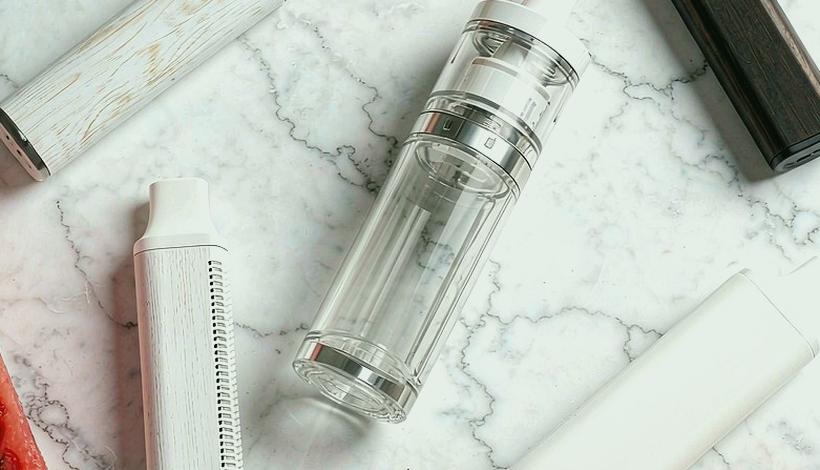
There is a lot of generic advice about Classic Cotton Coil Pods online. This page tries to be more specific: the checks that actually change outcomes, the numbers worth asking for, and the questions that separate experienced suppliers from the rest.
Pricing Structure and Where The Money Goes
Price breaks on Classic Cotton Coil Pods usually step at carton, pallet and container levels rather than sliding smoothly. Knowing where those steps sit tells you whether adding another 9 units actually improves your margin or just ties up cash in the warehouse.
Unit price is only part of what Classic Cotton Coil Pods costs you. Tooling, labelling, carton packing, inland haulage, port charges and payment fees all sit on top. A quotation that looks 20 percent cheaper can reverse once those lines are added, so compare landed cost, not the headline number.
Shipping Routes, Transit Time and Freight Options
Freight quotes for Classic Cotton Coil Pods move with fuel surcharges, currency and space availability. Ask whether the rate is fixed for a period or spot-quoted per shipment, because that single detail determines how predictable your landed cost will be over a year.
Choosing between sea, air and express for Classic Cotton Coil Pods is a margin question, not a speed question. Sea freight protects unit economics on planned volume; air rescue shipments protect shelf availability. Most importers end up using both, and planning for that is cheaper than improvising.
Transit time for Classic Cotton Coil Pods depends far more on the route and the season than on the distance. Peak periods add days at both ends, and consolidations add handling. Build the realistic window into your reorder point rather than the best case the forwarder quotes.
Sustainability and Packaging Waste
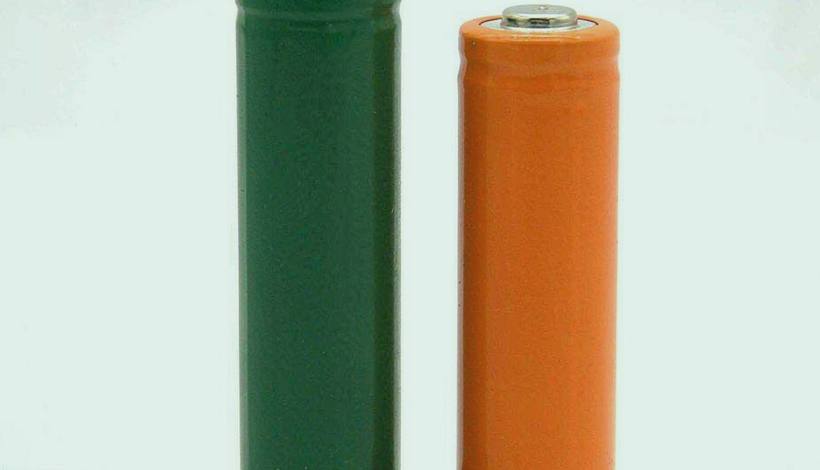
Small packaging decisions on Classic Cotton Coil Pods compound: a carton that is 20 percent smaller often means more units per pallet, which means fewer pallets, which means lower freight per unit.
Packaging waste is becoming a purchasing question rather than a marketing one. Right-sizing cartons for Classic Cotton Coil Pods reduces both material cost and freight cost, which makes it one of the few changes that helps margin and footprint at once.
Retail Merchandising Ideas That Move Stock
Group Classic Cotton Coil Pods by use case rather than by supplier. Shoppers buy to solve a need, and a display organised around need consistently outperforms one organised around the way the catalogue is printed.
Merchandising Classic Cotton Coil Pods well is mostly about legibility. A shopper should be able to identify the product type and the variant from a metre away. If they have to pick things up to compare, you have already lost part of the sale.
Rotate the Classic Cotton Coil Pods facing every few weeks. Even without changing the range, moving the position refreshes attention and surfaces stock that has settled into a blind spot near the counter.
| Specification | Typical Range | Why It Matters |
|---|---|---|
| Unit specification | 20–9 variant range | Defines what the factory must hold |
| Master carton | 10 units per carton | Drives freight cost per unit |
| Production lead time | 20–9 working days | Sets your reorder point |
| Inspection window | 10 day report turnaround | Must fit before vessel cut-off |
Storage, Handling and Shelf Life
Warehouse conditions matter more for Classic Cotton Coil Pods than most buyers assume. A few degrees of temperature difference over a summer changes how the product presents on the shelf. If you are storing through a hot season, plan for it rather than discovering it in returns.
Good stock rotation on Classic Cotton Coil Pods is simple: label by arrival date, pick oldest first, and keep a small buffer that is never touched. That buffer is what stops an unexpected demand spike from turning into an emergency air shipment.
How to Compare Suppliers Without Wasting Weeks
Ask every Classic Cotton Coil Pods supplier the same five questions and score the answers. Which of them mentions a constraint you had not considered is often the most informative result — it tells you who has actually produced this before.
Time-box the comparison. Two weeks of structured enquiries on Classic Cotton Coil Pods beats two months of open-ended ones, because the market moves and your shelf does not wait. Set a decision date at the start and hold to it.
Compare Classic Cotton Coil Pods suppliers on response quality before price. A supplier who answers specification questions precisely, admits what they cannot do, and sends real photographs is usually cheaper to work with than one who simply quotes low.
Working with Agents Versus Direct Factories
Going direct on Classic Cotton Coil Pods works well once your specification is stable and your volume is predictable. Before that point, an agent's ability to chase a production slot is often worth the margin.
Agents add value on Classic Cotton Coil Pods when you need local follow-up, consolidation across factories or help with documentation. They add cost when all you need is a single product from a single line.
- Compare landed cost, not headline unit price
- Plan cartons around real handling, not catalogue photos
- Book inspection while there is still time to rework
- Agree the specification in writing before sampling Classic Cotton Coil Pods
- Confirm labelling rules for the destination at order time
If you want to move on Classic Cotton Coil Pods, the fastest next step is a specification and a sample. Send us your target quantity and destination and we will come back with options, timings and a landed cost you can compare against what you have today.
Frequently asked questions
How do I know the Classic Cotton Coil Pods I reorder will match the last batch?
We keep the approved specification and sample reference on file for every order and check against it at inspection. If a component changes, you hear about it before production rather than at delivery.
Can different variants of Classic Cotton Coil Pods be mixed in one carton?
Mixed cartons are usually possible and are a good option when you are testing a range or working below a per-variant minimum. There is normally a small packing surcharge, which we will show on the quotation.
What is the usual minimum order for Classic Cotton Coil Pods?
Most Classic Cotton Coil Pods production runs start at a carton-level minimum rather than a single unit. The exact figure depends on how many variants you need and whether the packaging is standard or custom printed, so it is worth asking with your actual mix in mind.
Can I get Classic Cotton Coil Pods with my own branding?
Yes — private label is available on most Classic Cotton Coil Pods lines. The usual options are printed logos, custom colourways and bespoke outer packaging. Each carries a different setup cost and minimum, which we list separately in the quotation.
How long does a Classic Cotton Coil Pods order take to arrive?
Production for Classic Cotton Coil Pods commonly runs two to four weeks depending on specification and packaging, with transit added on top. Sea freight adds several weeks, air considerably less. We quote a realistic window rather than a best case.
Related reading
Talk to us about classic cotton coil pods bulk
Send us your target quantity, destination and timing. We answer with real options and a landed cost you can compare — normally within one working day.