Demand Trends in 2026 — Premium-Grade Classic Cotton Coil Pods
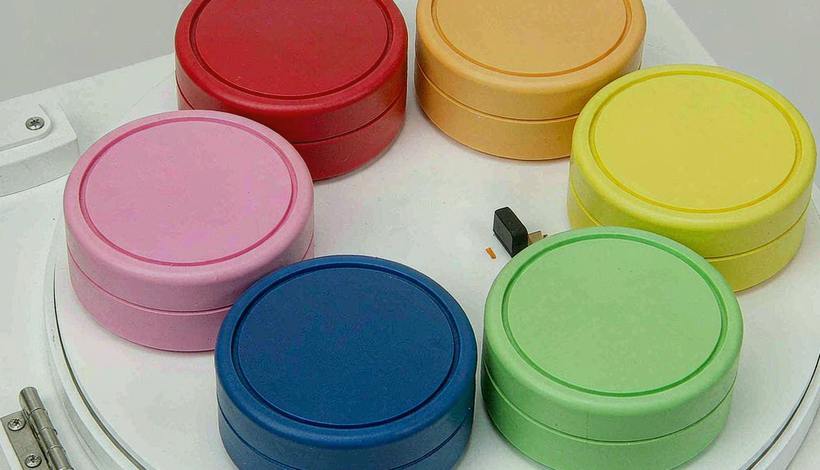
Working through Classic Cotton Coil Pods properly means answering a handful of unglamorous questions early. Do that and the rest of the order tends to run quietly. The sections below cover those questions in the order they matter.
After-Sales, Warranty and Spare Parts
Spare parts availability is easy to overlook on Classic Cotton Coil Pods and painful to discover later. Ask which components are stocked, how long they are supported, and what the minimum order is for a parts-only shipment.
Clarify what happens after Classic Cotton Coil Pods arrives. A written agreement on how defects are credited, how quickly claims are settled, and who pays for return freight is worth more than a friendly promise made during negotiation.
Sustainability and Packaging Waste
Small packaging decisions on Classic Cotton Coil Pods compound: a carton that is 10 percent smaller often means more units per pallet, which means fewer pallets, which means lower freight per unit.
If your market expects recyclable materials for Classic Cotton Coil Pods, ask what the factory can actually supply rather than assuming. The gap between what is available and what is requested is usually narrower than buyers expect.
Packaging waste is becoming a purchasing question rather than a marketing one. Right-sizing cartons for Classic Cotton Coil Pods reduces both material cost and freight cost, which makes it one of the few changes that helps margin and footprint at once.
Choosing Between Air, Sea and Express
For Classic Cotton Coil Pods, the break-even between air and sea is mostly about how long your cash is tied up and how quickly the stock turns. Fast-moving lines can justify air; slow ones almost never can.
Sea freight suits planned Classic Cotton Coil Pods volume, air suits genuine urgency, and express suits samples and small top-ups. Matching the mode to the reason, rather than to the deadline panic, is what keeps freight spend proportionate.
Margin Maths for Retailers
Retailers who track Classic Cotton Coil Pods by margin per shelf metre rather than margin per unit consistently make better range decisions. The product that earns slightly less per unit but turns twice as fast is usually the better use of the space.
Margin on Classic Cotton Coil Pods is decided at the purchase stage. Landed cost per sellable unit, not unit price, is the number that matters — and it includes freight, duty, shrinkage and the small percentage that never sells at full price.
A useful exercise with Classic Cotton Coil Pods: calculate what a 10 percent improvement in landed cost does to annual profit, and compare that with what a 10 percent price increase does. The first is usually easier and does not risk volume.
| Check Point | Method | Acceptance Criteria |
|---|---|---|
| Carton count | Physical count | Must match the packing list exactly |
| Appearance | Random sampling | Defect rate below the agreed threshold |
| Function check | Sampled units | Consistent with the approved sample |
| Packaging integrity | Drop and seal check | No deformation at arrival |
Sample Orders and Evaluation Checklist
Order 2 samples of Classic Cotton Coil Pods rather than one. Single units are hand-picked; a small batch shows you what the production line actually produces, and that is what you are about to buy in volume.
A short evaluation checklist for Classic Cotton Coil Pods keeps decisions comparable: specification match, finish quality, packaging integrity, documentation completeness and how the supplier handled the request. Score each one and the choice usually becomes obvious.
What Classic Cotton Coil Pods Actually Covers
Before comparing prices, it helps to agree on what counts as Classic Cotton Coil Pods. In day-to-day trade the term covers a fairly wide band of products, and two suppliers can quote very different things under the same label. Ask for a specification sheet that lists materials, dimensions and what is included in each unit, then compare that against what actually arrives in the carton.
Scope is the first thing to pin down with Classic Cotton Coil Pods. Hardware, consumables and packaging are often bundled differently depending on the factory, so a low unit price can quietly hide a higher landed cost. A one-page specification agreed before sampling removes most of that ambiguity.
The phrase Classic Cotton Coil Pods gets used loosely in export enquiries, which is why quotations sometimes look impossible to compare. One factory may price a bare unit while another includes retail packaging, labelling and a master carton. Getting the scope written down first saves a round of emails and, more importantly, stops you from discovering the difference after the goods land.
Customs, Duties and Compliance Paperwork
Compliance for Classic Cotton Coil Pods is destination-specific and it changes. Rather than memorising rules, build a short checklist per market and refresh it at each order. It takes twenty minutes and prevents the expensive kind of surprise.
Paperwork delays cost more than duties on most Classic Cotton Coil Pods imports. A complete set — commercial invoice, packing list, certificate of origin and any product-specific declaration — should be prepared while the goods are in production, not requested the week of arrival.
- Book inspection while there is still time to rework
- Request the full document set during production
- Split very large Classic Cotton Coil Pods orders across production slots
- Agree the specification in writing before sampling Classic Cotton Coil Pods
- Track weekly sell-through to catch the seasonal turn
Whether you need a single carton to test or a container to fill a season, the process for Classic Cotton Coil Pods is the same. Reach out with your requirements and we will respond with specifics rather than a brochure.
Frequently asked questions
How do you price Classic Cotton Coil Pods compared with a trading company?
We quote from the production side, so product, packaging and logistics are listed separately rather than folded into one number. That makes comparison easier and usually shows where a competing quote has hidden its margin.
Can I get Classic Cotton Coil Pods with my own branding?
Yes — private label is available on most Classic Cotton Coil Pods lines. The usual options are printed logos, custom colourways and bespoke outer packaging. Each carries a different setup cost and minimum, which we list separately in the quotation.
Are there compliance requirements I should know about for Classic Cotton Coil Pods?
Requirements vary by destination and they change. We confirm the current position for your market at the point of order and supply the documentation that supports it, but the importer of record remains responsible for local compliance.
Can Classic Cotton Coil Pods be shipped directly to my retail locations?
Direct-to-store is possible in many markets, though consolidation at a single warehouse is usually cheaper and easier to reconcile. We can quote both so you can compare.
What is the usual minimum order for Classic Cotton Coil Pods?
Most Classic Cotton Coil Pods production runs start at a carton-level minimum rather than a single unit. The exact figure depends on how many variants you need and whether the packaging is standard or custom printed, so it is worth asking with your actual mix in mind.
Related reading
Talk to us about classic cotton coil pods bulk
Send us your target quantity, destination and timing. We answer with real options and a landed cost you can compare — normally within one working day.