Classic Cotton Coil Pods Supply: a Practical Buyer's Checklist
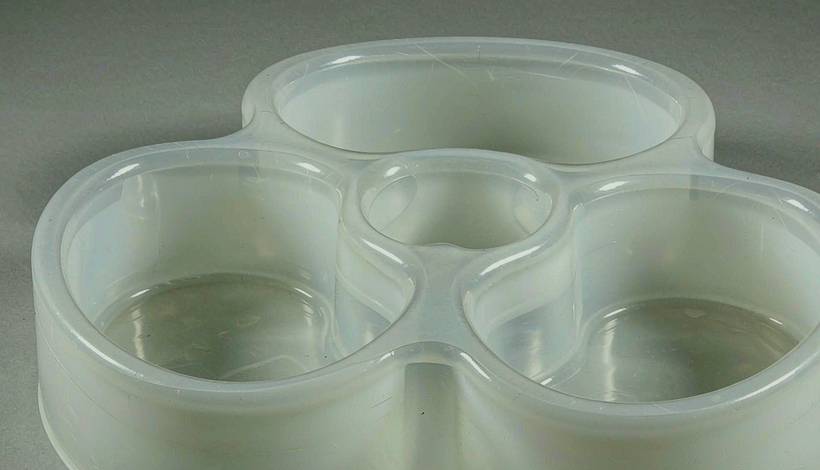
If you are looking at Classic Cotton Coil Pods for the first time, the number of options can be disorienting. This page sets out the practical detail — what to specify, what it costs to land, and where orders usually go wrong — so you can move from enquiry to shipment without guessing.
Negotiation Levers That Actually Work
Decide before you negotiate what you actually want from Classic Cotton Coil Pods — a lower unit price, better payment terms, or priority production. Chasing all three at once usually means getting none of them.
The most reliable negotiation on Classic Cotton Coil Pods is a calendar, not a threat. Show a supplier twelve months of predictable orders and you will get a better response than from any single large enquiry.
Specifications Worth Checking Before You Order
A good specification for Classic Cotton Coil Pods is measurable. Capacity, resistance, material thickness and finish should all have a stated tolerance, not a marketing range. When tolerances are missing, quality arguments later become opinion against opinion, and that is a conversation you will not win from another continent.
Write the specification for Classic Cotton Coil Pods the way a warehouse would check it: what can be counted, weighed or measured in five minutes. That phrasing survives the jump from sales team to production line far better than adjectives do.
Three specification lines cause most disputes on Classic Cotton Coil Pods orders: capacity tolerance, material grade and finish consistency. Ask for measured values rather than nominal ones, and request photographs of the actual production batch instead of a catalogue render. It takes an extra day and removes most of the risk.

Retail Merchandising Ideas That Move Stock
Group Classic Cotton Coil Pods by use case rather than by supplier. Shoppers buy to solve a need, and a display organised around need consistently outperforms one organised around the way the catalogue is printed.
Rotate the Classic Cotton Coil Pods facing every few weeks. Even without changing the range, moving the position refreshes attention and surfaces stock that has settled into a blind spot near the counter.
Customs, Duties and Compliance Paperwork
Classification is the decision that shapes everything else on a Classic Cotton Coil Pods shipment. Duty rate, licence requirements and inspection probability all follow from the code used. If you are unsure, get a written classification opinion before the vessel sails, not after the goods are held.
Paperwork delays cost more than duties on most Classic Cotton Coil Pods imports. A complete set — commercial invoice, packing list, certificate of origin and any product-specific declaration — should be prepared while the goods are in production, not requested the week of arrival.
Compliance for Classic Cotton Coil Pods is destination-specific and it changes. Rather than memorising rules, build a short checklist per market and refresh it at each order. It takes twenty minutes and prevents the expensive kind of surprise.
| Order Stage | Working Days | What Happens |
|---|---|---|
| Specification sign-off | 7 working days | Confirms tolerances and materials |
| Sampling | 5–6 working days | Production units, not showroom pieces |
| Production | 6 working days | Scheduled against your slot |
| Inspection and packing | 7 working days | Photographs included in the report |
How to Compare Suppliers Without Wasting Weeks
Compare Classic Cotton Coil Pods suppliers on response quality before price. A supplier who answers specification questions precisely, admits what they cannot do, and sends real photographs is usually cheaper to work with than one who simply quotes low.
Time-box the comparison. Two weeks of structured enquiries on Classic Cotton Coil Pods beats two months of open-ended ones, because the market moves and your shelf does not wait. Set a decision date at the start and hold to it.
Who Buys Classic Cotton Coil Pods and Why
distributors tend to reorder Classic Cotton Coil Pods on a rhythm rather than in one large batch. That rhythm is driven by shelf turnover, seasonal footfall and how quickly a flavour or format goes stale in the local market. Understanding who your end buyer is makes the reorder maths much easier.
The buyers behind Classic Cotton Coil Pods orders are usually pragmatic. They care about whether the product sells through, whether it arrives intact, and whether the next shipment will match the last one. Everything else is secondary, which is why consistency beats novelty in most reorder conversations.
Demand for Classic Cotton Coil Pods rarely comes from a single customer type. Some distributors want steady replacement stock, others want something seasonal they can merchandise for six weeks. Those two buying patterns need different carton sizes and different delivery windows, so it is worth separating them when you plan.
Storage, Handling and Shelf Life
Warehouse conditions matter more for Classic Cotton Coil Pods than most buyers assume. A few degrees of temperature difference over a summer changes how the product presents on the shelf. If you are storing through a hot season, plan for it rather than discovering it in returns.
Classic Cotton Coil Pods degrades in predictable ways: heat, light and time. Store in a cool, dry place away from direct sunlight and rotate stock by production date. Those two habits prevent most of the quality complaints that get blamed on the factory.
- Keep a reorder calendar instead of reacting to stockouts
- Plan cartons around real handling, not catalogue photos
- Request the full document set during production
- Agree the specification in writing before sampling Classic Cotton Coil Pods
- Confirm labelling rules for the destination at order time
If you want to move on Classic Cotton Coil Pods, the fastest next step is a specification and a sample. Send us your target quantity and destination and we will come back with options, timings and a landed cost you can compare against what you have today.
Frequently asked questions
Can Classic Cotton Coil Pods be shipped directly to my retail locations?
Direct-to-store is possible in many markets, though consolidation at a single warehouse is usually cheaper and easier to reconcile. We can quote both so you can compare.
How is Classic Cotton Coil Pods packed for export?
Packing depends on the product and route, but the principle is the same: inner protection, a rigid master carton and a pallet pattern that survives handling. We can send photographs of the packing method before dispatch.
Can different variants of Classic Cotton Coil Pods be mixed in one carton?
Mixed cartons are usually possible and are a good option when you are testing a range or working below a per-variant minimum. There is normally a small packing surcharge, which we will show on the quotation.
What is the best way to start a Classic Cotton Coil Pods enquiry?
The most useful starting message is short: product, approximate quantity, destination and target timing. With those four pieces of information we can usually respond with real options the same working day.
How do I know the Classic Cotton Coil Pods I reorder will match the last batch?
We keep the approved specification and sample reference on file for every order and check against it at inspection. If a component changes, you hear about it before production rather than at delivery.
Related reading
Talk to us about classic cotton coil pods bulk
Send us your target quantity, destination and timing. We answer with real options and a landed cost you can compare — normally within one working day.