Classic Cotton Coil Pods Procurement: Seasonal Demand Planning
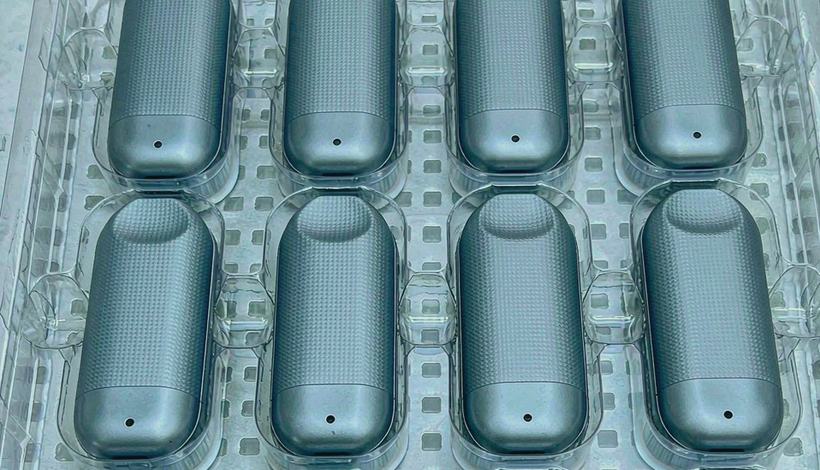
Working through Classic Cotton Coil Pods properly means answering a handful of unglamorous questions early. Do that and the rest of the order tends to run quietly. The sections below cover those questions in the order they matter.
Customs, Duties and Compliance Paperwork
Compliance for Classic Cotton Coil Pods is destination-specific and it changes. Rather than memorising rules, build a short checklist per market and refresh it at each order. It takes twenty minutes and prevents the expensive kind of surprise.
Classification is the decision that shapes everything else on a Classic Cotton Coil Pods shipment. Duty rate, licence requirements and inspection probability all follow from the code used. If you are unsure, get a written classification opinion before the vessel sails, not after the goods are held.
Sample Orders and Evaluation Checklist
A short evaluation checklist for Classic Cotton Coil Pods keeps decisions comparable: specification match, finish quality, packaging integrity, documentation completeness and how the supplier handled the request. Score each one and the choice usually becomes obvious.
Order 12 samples of Classic Cotton Coil Pods rather than one. Single units are hand-picked; a small batch shows you what the production line actually produces, and that is what you are about to buy in volume.
Evaluate Classic Cotton Coil Pods samples the way your customer will use them, not the way they look on a desk. Check the packaging after a short transit, check the finish under retail lighting, and check consistency across several units rather than one.

Minimum Order Quantities and Carton Planning
MOQ on Classic Cotton Coil Pods is usually set by whatever makes a production run efficient, not by any fixed rule. If your requirement is below the standard minimum, ask whether a mixed carton or a shared production slot is possible instead of accepting a large surplus you cannot sell through.
Carton planning decides whether Classic Cotton Coil Pods arrives in a condition you can sell. Under-filled cartons deform in transit; over-filled ones split at the seams. Aim for a fill that leaves the carton rigid without compressing the product, and check the stacking height against your pallet pattern.
After-Sales, Warranty and Spare Parts
Spare parts availability is easy to overlook on Classic Cotton Coil Pods and painful to discover later. Ask which components are stocked, how long they are supported, and what the minimum order is for a parts-only shipment.
Set the claim window for Classic Cotton Coil Pods in writing — how many days after arrival you can report an issue and what evidence is needed. Clear terms on both sides make the rare dispute quick to resolve.
Clarify what happens after Classic Cotton Coil Pods arrives. A written agreement on how defects are credited, how quickly claims are settled, and who pays for return freight is worth more than a friendly promise made during negotiation.
| Check Point | Method | Acceptance Criteria |
|---|---|---|
| Carton count | Physical count | Must match the packing list exactly |
| Appearance | Random sampling | Defect rate below the agreed threshold |
| Function check | Sampled units | Consistent with the approved sample |
| Packaging integrity | Drop and seal check | No deformation at arrival |
Seasonal Demand and Reorder Timing
Most stockouts on Classic Cotton Coil Pods are planning failures rather than supply failures. The goods were available; the order simply went in three weeks late. A written reorder calendar removes most of that risk for very little effort.
Reorder timing for Classic Cotton Coil Pods should be calculated backwards from the shelf, not forwards from the factory. Start with the week you need stock, subtract the realistic transit window, add a buffer for inspection, and you have your order date.
Working with Agents Versus Direct Factories
Agents add value on Classic Cotton Coil Pods when you need local follow-up, consolidation across factories or help with documentation. They add cost when all you need is a single product from a single line.
The honest test: ask whether the agent can tell you something about Classic Cotton Coil Pods production that you could not learn from the factory's own quotation. If not, you are paying for an introduction.
Going direct on Classic Cotton Coil Pods works well once your specification is stable and your volume is predictable. Before that point, an agent's ability to chase a production slot is often worth the margin.
Common Mistakes Buyers Make
The most expensive mistake with Classic Cotton Coil Pods is ordering the full quantity before evaluating a sample. Production samples, not showroom units, are what you will receive. Run the sample through the handling it will actually face and only then commit.
The third mistake is treating the first order as the final specification. Classic Cotton Coil Pods improves once you feed back what the market did with it. Buyers who treat the first shipment as a test and the second as the real order usually end up with better margins.
- Plan cartons around real handling, not catalogue photos
- Compare landed cost, not headline unit price
- Confirm labelling rules for the destination at order time
- Use one approved sample reference for every repeat order
- Split very large Classic Cotton Coil Pods orders across production slots
Whether you need a single carton to test or a container to fill a season, the process for Classic Cotton Coil Pods is the same. Reach out with your requirements and we will respond with specifics rather than a brochure.
Frequently asked questions
How is Classic Cotton Coil Pods packed for export?
Packing depends on the product and route, but the principle is the same: inner protection, a rigid master carton and a pallet pattern that survives handling. We can send photographs of the packing method before dispatch.
What is the usual minimum order for Classic Cotton Coil Pods?
Most Classic Cotton Coil Pods production runs start at a carton-level minimum rather than a single unit. The exact figure depends on how many variants you need and whether the packaging is standard or custom printed, so it is worth asking with your actual mix in mind.
How long does a Classic Cotton Coil Pods order take to arrive?
Production for Classic Cotton Coil Pods commonly runs two to four weeks depending on specification and packaging, with transit added on top. Sea freight adds several weeks, air considerably less. We quote a realistic window rather than a best case.
What documentation comes with a Classic Cotton Coil Pods shipment?
A standard shipment includes commercial invoice, packing list and certificate of origin, with product-specific declarations where the destination requires them. We prepare the set during production so it is ready before the goods arrive.
What happens if a Classic Cotton Coil Pods shipment arrives damaged?
Report it within the agreed window with photographs and carton references and we will work through a credit or replacement. This is much faster when an inspection report exists, which is why we recommend one for larger orders.
Related reading
Talk to us about classic cotton coil pods bulk
Send us your target quantity, destination and timing. We answer with real options and a landed cost you can compare — normally within one working day.