Bulk Classic Cotton Coil Pods: Compliance Checklist
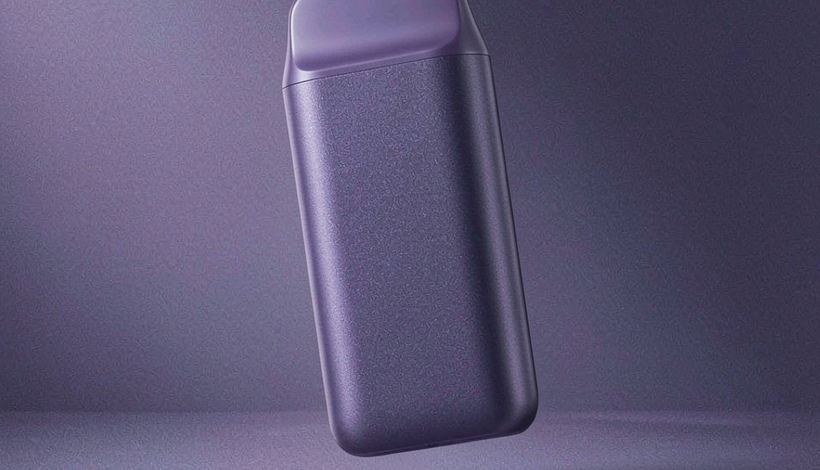
Whether you are replenishing an existing line or evaluating Classic Cotton Coil Pods for the first time, the same fundamentals apply: know the specification, know the landed cost, and know who is accountable if something is wrong.
Margin Maths for Retailers
A useful exercise with Classic Cotton Coil Pods: calculate what a 5 percent improvement in landed cost does to annual profit, and compare that with what a 5 percent price increase does. The first is usually easier and does not risk volume.
Retailers who track Classic Cotton Coil Pods by margin per shelf metre rather than margin per unit consistently make better range decisions. The product that earns slightly less per unit but turns twice as fast is usually the better use of the space.
Building A Repeatable Replenishment Cycle
A repeatable cycle for Classic Cotton Coil Pods has three inputs: weekly sell-through, lead time and buffer. Once those are written down, reordering becomes a routine task instead of a decision, and routine tasks are the ones that actually happen.
Most importers of Classic Cotton Coil Pods who move to a fixed monthly cycle report the same benefit: fewer emergencies. The total volume ordered barely changes, but the number of urgent shipments drops sharply.
Scheduled replenishment for Classic Cotton Coil Pods gives you leverage you do not get with ad-hoc orders. A supplier who can see your next four shipments will prioritise your production slot, and that priority is worth more than a small discount.
Packaging, Labelling and Shelf Readiness
Retail-ready packaging changes the economics of Classic Cotton Coil Pods more than most buyers expect. Barcodes, language variants and warning statements vary by destination, and fixing them after production means relabelling by hand. Confirm the artwork requirements for your market before the run starts.
Shelf presentation is where Classic Cotton Coil Pods either sells or sits. Carton dimensions, facing count and how quickly a shopper can read the flavour all affect turnover. If the packaging only works in a warehouse, you have pushed that cost onto the retailer.
Working with Agents Versus Direct Factories
Agents add value on Classic Cotton Coil Pods when you need local follow-up, consolidation across factories or help with documentation. They add cost when all you need is a single product from a single line.
The honest test: ask whether the agent can tell you something about Classic Cotton Coil Pods production that you could not learn from the factory's own quotation. If not, you are paying for an introduction.
Going direct on Classic Cotton Coil Pods works well once your specification is stable and your volume is predictable. Before that point, an agent's ability to chase a production slot is often worth the margin.
| Cost Component | Share of Landed Cost | Notes |
|---|---|---|
| Product cost | 5% of landed cost | Moves with volume and specification |
| Packaging | 5% of landed cost | Higher for retail-ready formats |
| Freight and handling | 2% of landed cost | Route and season dependent |
| Duty and clearance | Destination specific | Follows from classification |
Storage, Handling and Shelf Life
Warehouse conditions matter more for Classic Cotton Coil Pods than most buyers assume. A few degrees of temperature difference over a summer changes how the product presents on the shelf. If you are storing through a hot season, plan for it rather than discovering it in returns.
Good stock rotation on Classic Cotton Coil Pods is simple: label by arrival date, pick oldest first, and keep a small buffer that is never touched. That buffer is what stops an unexpected demand spike from turning into an emergency air shipment.
Shipping Routes, Transit Time and Freight Options
Transit time for Classic Cotton Coil Pods depends far more on the route and the season than on the distance. Peak periods add days at both ends, and consolidations add handling. Build the realistic window into your reorder point rather than the best case the forwarder quotes.
Choosing between sea, air and express for Classic Cotton Coil Pods is a margin question, not a speed question. Sea freight protects unit economics on planned volume; air rescue shipments protect shelf availability. Most importers end up using both, and planning for that is cheaper than improvising.
Freight quotes for Classic Cotton Coil Pods move with fuel surcharges, currency and space availability. Ask whether the rate is fixed for a period or spot-quoted per shipment, because that single detail determines how predictable your landed cost will be over a year.
Negotiation Levers That Actually Work
The most reliable negotiation on Classic Cotton Coil Pods is a calendar, not a threat. Show a supplier twelve months of predictable orders and you will get a better response than from any single large enquiry.
Volume commitments, predictable scheduling and fast payment are the three levers that genuinely move Classic Cotton Coil Pods pricing. Asking for a discount without offering any of them rarely gets you further than the published price list.
- Ask which components are stocked as spares
- Agree the specification in writing before sampling Classic Cotton Coil Pods
- Request the full document set during production
- Compare landed cost, not headline unit price
- Confirm labelling rules for the destination at order time
We keep the ordering process for Classic Cotton Coil Pods deliberately simple: agree the specification, approve a sample, confirm the carton plan, then ship. If that sounds like the way you prefer to work, get in touch with your requirements.
Frequently asked questions
What is the best way to start a Classic Cotton Coil Pods enquiry?
The most useful starting message is short: product, approximate quantity, destination and target timing. With those four pieces of information we can usually respond with real options the same working day.
What is the usual minimum order for Classic Cotton Coil Pods?
Most Classic Cotton Coil Pods production runs start at a carton-level minimum rather than a single unit. The exact figure depends on how many variants you need and whether the packaging is standard or custom printed, so it is worth asking with your actual mix in mind.
Can I get Classic Cotton Coil Pods with my own branding?
Yes — private label is available on most Classic Cotton Coil Pods lines. The usual options are printed logos, custom colourways and bespoke outer packaging. Each carries a different setup cost and minimum, which we list separately in the quotation.
Are there compliance requirements I should know about for Classic Cotton Coil Pods?
Requirements vary by destination and they change. We confirm the current position for your market at the point of order and supply the documentation that supports it, but the importer of record remains responsible for local compliance.
How is Classic Cotton Coil Pods packed for export?
Packing depends on the product and route, but the principle is the same: inner protection, a rigid master carton and a pallet pattern that survives handling. We can send photographs of the packing method before dispatch.
Related reading
Talk to us about classic cotton coil pods bulk
Send us your target quantity, destination and timing. We answer with real options and a landed cost you can compare — normally within one working day.